Last Updated on 21/01/2026 by Jack Anderson | Senior Market Analyst & Lead Editor
Key Takeaways
- E-waste is a growing global challenge, projected to reach 82 million tons by 2030.
- Improper disposal has serious health and environmental consequences, especially in developing nations.
- Innovative recycling initiatives and emerging technologies are transforming e-waste management.
- Individuals and organizations can take practical steps to reduce and properly recycle e-waste, contributing to a sustainable future.
Understanding E-Waste
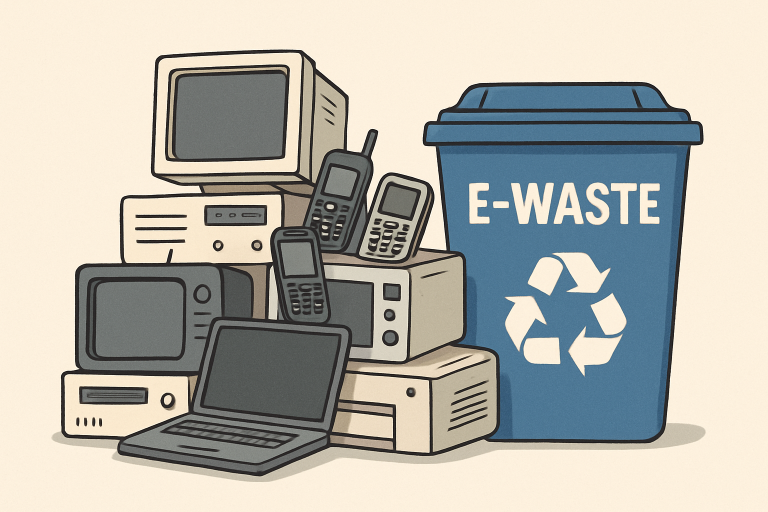
Electronic waste, also known as e-waste, refers to discarded or obsolete electronic devices, including smartphones, computers, televisions, and household appliances. These products often contain complex combinations of valuable materials, such as gold, copper, and silver, as well as hazardous substances, including lead, mercury, and cadmium. When improperly managed, these toxic materials can contaminate soil and water, posing significant health risks to both humans and wildlife. As more businesses and individuals upgrade their technology at an accelerating pace, finding sustainable e scrap solutions for businesses and IT asset recovery has never been more important.
The sheer scale of the e-waste crisis is staggering. According to the United Nations, global e-waste generation is expected to reach 82 million tons by 2030, increasing by about two million tons annually. Yet, only around 17% of this waste is formally collected and recycled, while the vast majority is either incinerated, dumped in landfills, or illegally exported. This gap highlights a critical need for awareness and action at all levels of society.
The Global Impact of Improper Disposal
Many high-income countries export their used electronics to low- and middle-income nations, creating a “hidden tsunami” of environmental and health disasters. These regions often lack the necessary infrastructure and regulations to safely process hazardous materials, resulting in hazardous manual recycling practices or the dumping of materials in open fields.
Children and informal workers are particularly vulnerable, frequently exposed to burning plastic cables or handling harmful chemicals without protection. The contamination of air, water, and local food sources remains a growing concern in affected areas, underscoring the need for global collaboration and transparency in e-waste management.
Innovative Recycling Initiatives
New approaches to e-waste recycling are offering hope and practical solutions. In San Francisco, automated recycling bins have been introduced to handle mixed lithium-ion batteries and battery-embedded devices without manual sorting. The system significantly reduces fire hazards and landfill contributions by enabling safe, efficient collection of electronic discards.
Internationally, Egypt’s E-Tadweer mobile app incentivizes users to recycle unwanted electronics by offering shopping vouchers in exchange. Initiatives like these combine convenience with motivation, encouraging higher participation rates and environmentally sound disposal practices.
A further breakthrough has emerged from advances in gold extraction: scientists have developed safe and cost-effective techniques that recover gold from electronics with over 99% purity using non-toxic chemicals. These methods substantially reduce the risks associated with conventional e-waste processing.
Steps to Reduce E-Waste
1. Extend Device Lifespan
Opting to repair or upgrade existing devices—such as replacing batteries or adding memory—instead of replacing them outright can substantially decrease annual electronic waste. DIY solutions and local repair shops make it easier than ever to keep gadgets running for years.
2. Choose Energy-Efficient Products
When upgrading, look for products with ENERGY STAR or EPEAT certifications. These devices are built to be more durable and consume less power over their operational lifespan, reducing both electronic and energy waste. Consumer Reports frequently assesses electronic devices for efficiency and longevity.
3. Utilize Smart Power Strips
Many electronic devices consume energy even when not in active use. Smart power strips help curb this “phantom load” by cutting off power to idle devices, decreasing electricity bills, and reducing unnecessary waste.
4. Participate in Recycling Programs
Responsible disposal can be as simple as engaging with local e-waste collection services or product take-back programs. Many municipalities and retailers offer periodic collection events or permanent drop-off locations for various types of electronics.
The Role of Technology in E-Waste Management
Artificial Intelligence and Automation
Advanced artificial intelligence (AI) systems are revolutionizing the sorting of e-waste. These technologies can quickly and accurately identify and separate recyclable materials, thereby increasing efficiency, minimizing contamination, and reducing reliance on manual labor.
Blockchain for Tracking
Blockchain technology provides an immutable record of e-waste from origin to final recycling, enhancing transparency. This digital tracking can mitigate fraud, prevent illegal dumping, and ensure compliance with environmental regulations, ultimately promoting more ethical recycling efforts.
Conclusion
Resolving the e-waste crisis demands collective action among governments, industry leaders, and everyday consumers. Emphasizing proactive choices, embracing technological solutions, and supporting responsible e-waste initiatives are essential steps toward environmental sustainability. As innovative programs and technologies gain traction, everyone has a role to play in building a cleaner, safer, and more resource-efficient world for future generations.
About The Author
