Last Updated on 09/01/2026 by Jack Anderson | Senior Market Analyst & Lead Editor
Plumbing emergencies are a homeowner’s worst nightmare, often resulting in sudden and costly repairs, property damage, and high water bills. However, most plumbing disasters are preventable with a proactive approach. Embracing routine preventive maintenance not only keeps your pipes and fixtures in excellent condition but also minimizes the risk of costly disruptions. Homeowners in regions prone to temperature fluctuations and areas with older infrastructure, such as Salt Lake City, should be especially vigilant—services like hydrojetting and sewer repair in Salt Lake City offer essential solutions for maintaining healthy plumbing systems.
Neglecting simple checks and routine care can lead to more significant problems, such as burst pipes, persistent leaks, or extensive water damage. By learning and applying basic preventive strategies, you can enjoy a trouble-free plumbing system and boost your home’s overall value.
Regular Inspections
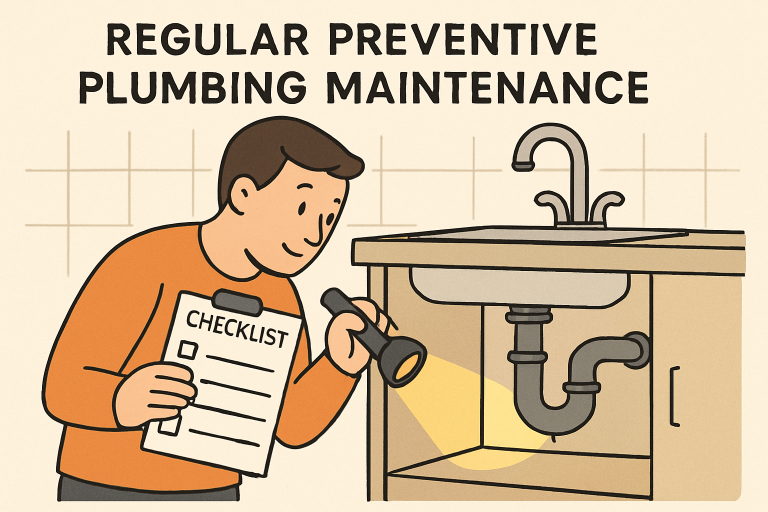
One of the most effective preventive steps homeowners can take is to perform regular visual inspections throughout their homes. Examine exposed pipes, faucet connections, and visible joints for any signs of moisture, corrosion, or white mineral buildup. Don’t overlook less obvious areas—look under sinks, behind toilets, and even behind appliances like washing machines or dishwashers. Discovering a small leak or weak fitting early gives you a chance to implement quick repairs and avoid the high costs and structural damage caused by advanced leaks or floods.
Professional home inspectors recommend creating a checklist and walking through your home at least twice each year to ensure everything is in working order. Early intervention frequently turns potential disasters into minor repairs, saving both money and stress.
Proper Drain Care
Drains represent one of the most common sources of plumbing emergencies, particularly when not properly cared for. To reduce the risk of built-up clogs, never pour fats, oils, or grease down your kitchen sink. These substances harden inside pipes and easily capture debris, leading to blockages. Use drain catches or strainers in both kitchen and bathroom sinks to prevent hair, soap, and food debris from entering the pipes. Periodically flush drains with a mixture of hot water and baking soda for an eco-friendly and effective cleaning process.
Reminding all household members about appropriate drain usage can greatly reduce the cumulative wear and tear that often leads to backups or major pipe damage. Even a single inappropriate disposal can begin a damaging cycle, leading to more frequent clogs and emergencies.
Monitoring Water Pressure
While everyone enjoys a brisk shower, excessively high water pressure can be a hidden threat to your plumbing system. If pressure exceeds recommended levels—generally between 40 and 85 psi—it creates additional stress on pipes, joints, and appliances. Invest in an inexpensive water pressure gauge to periodically measure the water pressure in your home. If it remains consistently high, consider installing a pressure regulator to protect your pipes and extend the life of your fixtures.
Unchecked water pressure can cause pinhole leaks over time or lead to sudden, catastrophic pipe bursts. Regular monitoring is a simple yet powerful habit that can help reduce emergency calls and expensive repairs.
Seasonal Preparations
Every change of season places unique demands on your plumbing system. For instance, winterizing your pipes is vital in colder climates to prevent freezing and cracking. Prioritize insulating any exposed piping, especially in attics, basements, or crawl spaces—these areas are most vulnerable to freezing. In the spring and summer, test sump pumps, clean out gutters, and ensure outdoor drains are clear to manage heavy rain and prevent water from backing up into your home.
These seasonal checks not only offer peace of mind but can also prevent the most common plumbing emergencies associated with changing weather and temperature fluctuations.
Keeping Emergency Tools Handy
Every homeowner should have a selection of basic plumbing tools readily available. Invest in a high-quality plunger, an adjustable wrench, and a plumber’s snake. These tools are invaluable for quickly clearing minor clogs, tightening loose fittings, or dealing with small leaks before they escalate. Knowing how to shut off water at the main valve safely is another crucial aspect of emergency preparedness, as it can prevent flooding and mitigate the severity of most plumbing disasters.
Scheduling Professional Maintenance
In addition to DIY prevention, regular visits from a licensed plumber are essential for comprehensive care. Professionals can spot underlying wear—like deteriorating hoses or failing valves—that may otherwise go unnoticed. Tasks such as flushing your water heater, descaling tankless systems, or inspecting sewer lines with a camera are best left to experts and will help keep your entire system at peak performance.
Enhancing Energy Efficiency
Energy-efficient plumbing solutions not only lower utility bills but also reduce the frequency of system breakdowns. Consider upgrading to a tankless water heater or installing WaterSense-labeled fixtures, which use less water and energy without sacrificing performance. Routine activities such as insulating pipes and checking relief valves can significantly improve your plumbing’s energy profile, benefiting both your wallet and the planet.
Final Thoughts
Preventive maintenance is the cornerstone of a healthy, resilient plumbing system. Through regular inspections, proper drain care, monitoring water pressure, seasonal preparations, keeping a well-stocked toolkit, and professional checkups, homeowners can avoid nearly all major emergencies. Improved energy efficiency further protects your investment and supports environmental sustainability. By adopting these strategies, you’ll reduce costly surprises and maintain a safe, comfortable, and efficient home for years to come.
About The Author
